


Deep Plan Face and Neck Lift
Deep Plan Face
and Neck Lift
Deep-plane facelift surgery aims not only to tighten the skin, but also to reposition the face’s deep
anatomical structures.
The aim is not to create a different face; rather, it is to achieve a more natural and long-lasting rejuvenation of the jawline, neck and mid-face region whilst preserving the individual’s own facial features.
Contents
- What is a Facelift?
- What is a Neck Lift?
- What Techniques Are Available for Face and Neck Lift Surgery?
- How Long Do the Results of a Face and Neck Lift Last?
- What is the Best Age for a Face and Neck Lift / Who is the Ideal Candidate?
- The Recovery Process Following a Face and Neck Lift
- Where Do Scars Remain After a Face and Neck Lift?
- Frequently Asked Questions
Type of anaesthesia:
General
Duration of surgery:
4 hours
Hospital Stay:
2 days
Stay in Istanbul:
10 days
Return to Life:
14 Days
What is a Facelift?
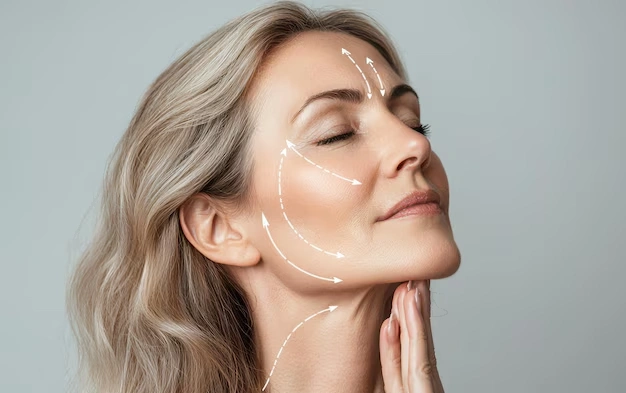
A facelift is a surgical procedure designed to correct sagging in the mid and lower face, deepening furrows (nasolabial and marionette lines) and the appearance of sagging cheeks (jowls). The aim of the operation is not to pull and tighten the skin, but to reposition the deep anatomical structures—which have shifted with age—back to their original positions.
What is a Neck Lift?
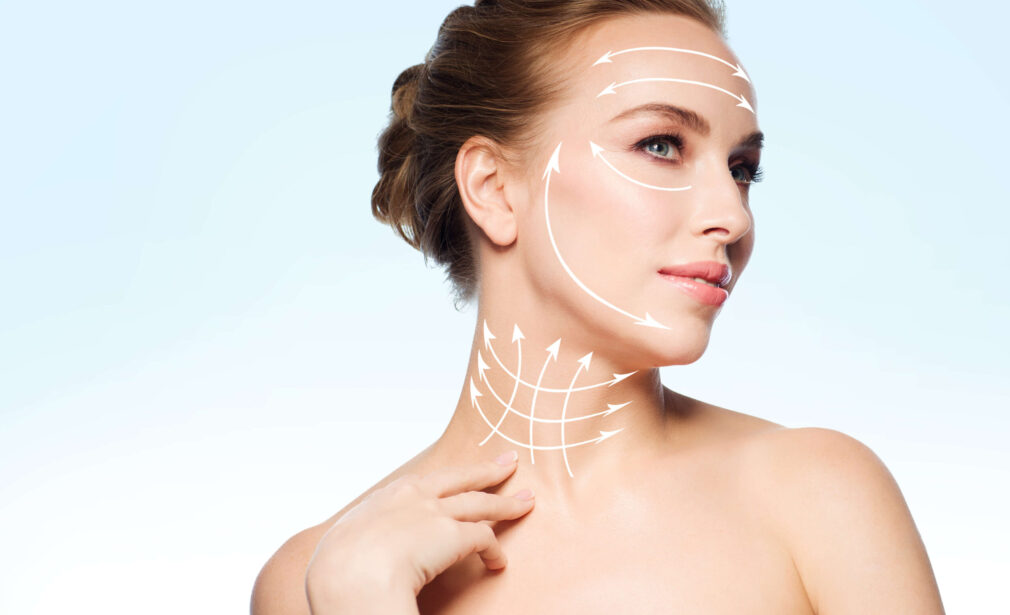
A neck lift is a procedure designed to correct double chins, sagging, loose skin and the loosening of the platysma muscle—which forms vertical bands on the neck—in the area beneath the chin and along the neck. It is performed to achieve a well-defined jawline and a smooth neck contour.
What Techniques Are Available for Face and Neck Lift Surgery?
- SMAS Tightening (Traditional Facelift): Once the skin has been lifted, the underlying SMAS (Superficial Musculoaponeurotic System) layer is tightened by folding or suturing.
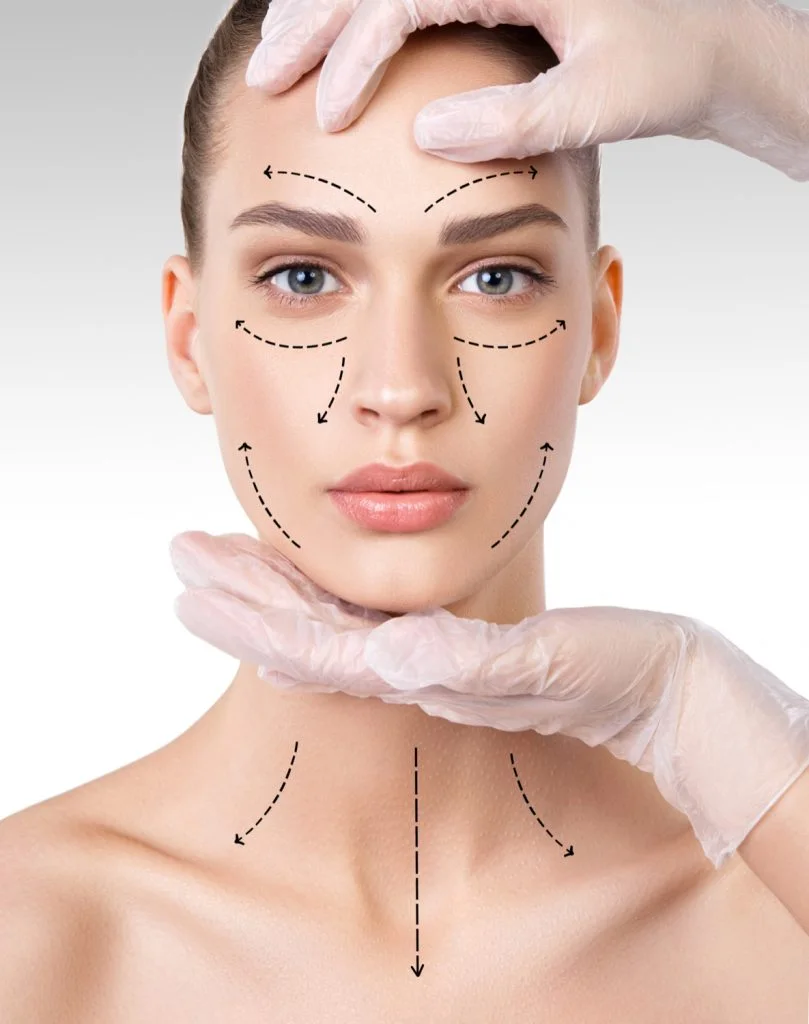
- Deep Plane Facelift: Without separating the skin from the SMAS layer, the deep ligaments that support the face are completely released. The deep tissue block of the face is lifted upwards against the force of gravity.
- Endoscopic / Mini Facelift: This procedure is performed on younger patients with only mild to moderate sagging, using minimal incisions at the temples and in front of the ears.
- Platysmaplasty (Neck Muscle Repair): This procedure involves suturing the platysma muscle together like a corset via a small incision made beneath the chin to remove the vertical bands on the neck.
What is the best facelift technique?
In modern aesthetic surgery, the gold standard is the Deep Plane Facelift technique.
Why the Deep Plan? As it does not pull on the skin, it does not cause ear lobe deformity (pixie ear) or create artificial tension at the corners of the mouth. As the ligaments are released, no tension remains on the tissues; this not only produces the most natural result but also speeds up the healing process.

Facelift or Neck Lift? Should They Be Performed Together?
Anatomically, the face and neck form a single unit. Sagging in the cheek area usually extends beyond the jawline and affects the neck.
The Advantage of Combining the Procedures: Tightening only the face whilst leaving the neck untreated—or vice versa—creates a noticeable discrepancy in appearance. Combining a facelift with a neck lift fully defines the jawline and ensures a seamless, balanced rejuvenation.
How Long Do the Results of a Face and Neck Lift Last?
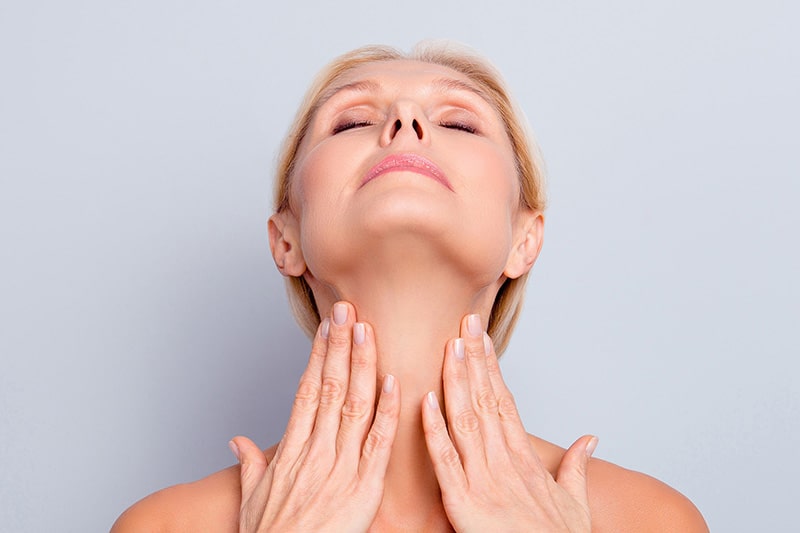
No surgical procedure can halt the ageing process; however, the Deep Plan technique turns back the clock by 10 to 15 years. You continue to age from a new, younger starting point. As the deep supporting layers are strengthened, the results are much longer-lasting than those achieved with superficial lifting techniques.

What is the Best Age for a Face and Neck Lift / Who is the Ideal Candidate?
- Ideal Candidates: Generally people aged between 45 and 70 who have noticeable sagging of the skin in the face and neck, a loss of the double chin, and deep wrinkles.
- Candidates of a Younger Age: Individuals aged between 35 and 45 who, due to genetic factors, have experienced loss of the double chin and jawline at an early age are also suitable candidates.
- Criteria: Individuals whose general state of health is suitable for surgery and anaesthesia, whose chronic conditions are under control, and who do not smoke (or have given up smoking).
The Recovery Process Following a Face and Neck Lift
- First 1–3 Days: Swelling of the face, slight bruising and a feeling of tightness are normal. A special facial dressing and drains are used; the drains are usually removed on the 1st or 2nd day.
- 1. End of the week: Most of the stitches are removed. You can resume social activities with light walks.
- Week 2: 70–80 per cent of the swelling and bruising subsides. You can go out wearing light make-up and return to desk-based work.
- Months 1–3: Facial contours become fully defined, loss of sensation in the tissues resolves, and the final, natural appearance emerges.
Where Do Scars Remain After a Face and Neck Lift?
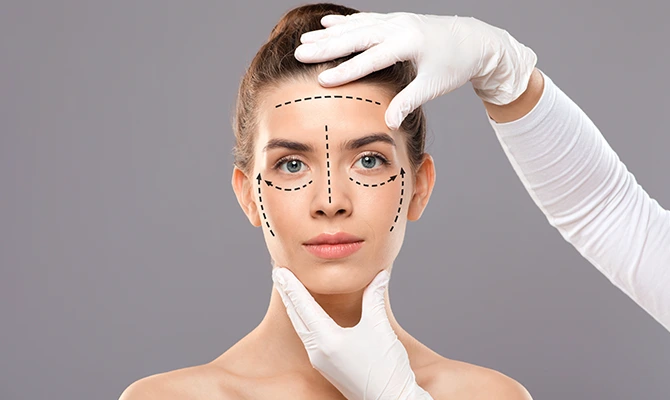
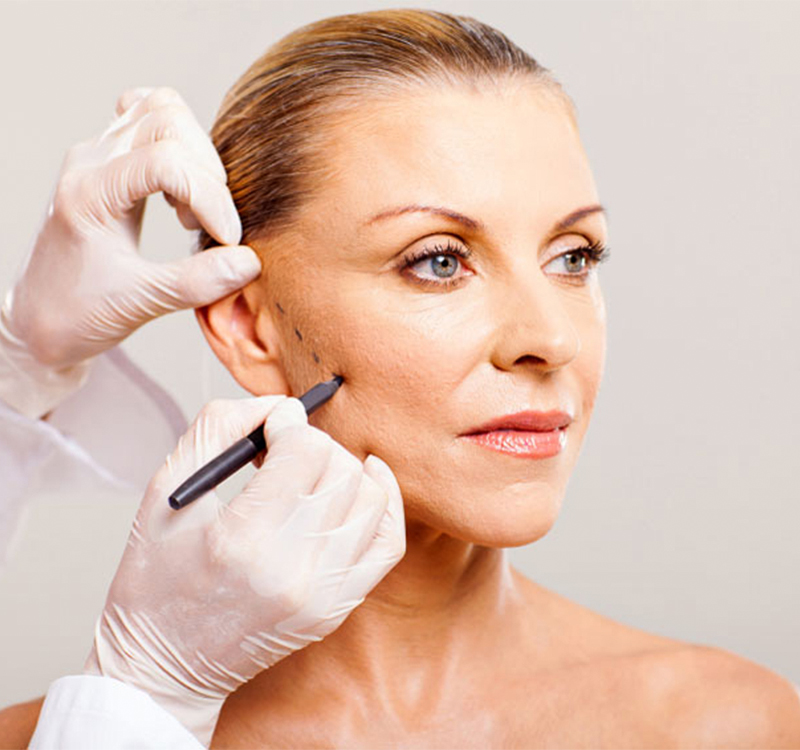
- Temple Area: It is concealed within the scalp.
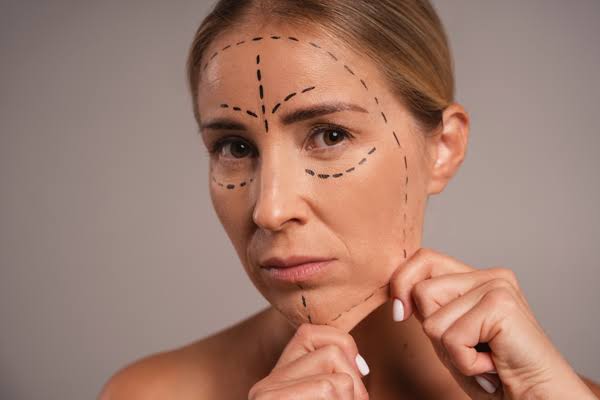
- Around the Ear: It runs behind the natural cartilaginous fold in front of the ear (the tragus) and extends behind the earlobe towards the scalp.
- Under the Chin: If neck muscle repair is being performed, a concealed incision of 2–3 cm is made along the natural crease under the chin.
Sıkça Sorulan Sorular
Will my face look ‘tight’ or have an unnatural expression after a deep-plane facelift?
No. With the deep-layer technique, the tension is applied not to the skin, but to the muscle and connective tissue beneath it. As there is no strain on the skin at all, your face looks completely natural and well-rested.
How long does the operation take, and how long will I be in hospital?
A combined deep-plane face and neck lift usually takes 4–6 hours. A hospital stay of 1 or 2 nights is generally recommended.
How long should I stay in Istanbul?
A stay in Istanbul lasting a total of 8–10 days, including pre-operative tests, the operation itself, dressing changes and follow-up appointments to check the stitches, should be sufficient.
Patient Experiences
Hear about the surgical experiences of our patients in their own words.