


Endoscopic Forehead Lift
Endoscopic Forehead Lift
Endoscopic forehead lift aims to correct sagging in the forehead and brow area using minimal incisions, thereby creating a more open and balanced appearance in the upper third of the face. The aim is not to create a startled or artificial look, but to achieve a fresher appearance in the upper face whilst preserving the individual’s natural facial expressions.
Contents
- What is an endoscopic forehead lift?
- In Which Circumstances Is Endoscopic Forehead Lift Preferred?
- What Techniques Are Available?
- How is the operation performed?
- How Long Do the Results Last?
- Where Do the Traces Remain, and How Visible Are They?
- Frequently Asked Questions
Type of anaesthesia:
General
Duration of the operation:
2 hours
Hospital Stay:
1 day
Stay in Istanbul:
5 days
Return to Life:
7 Days
What is an endoscopic forehead lift?
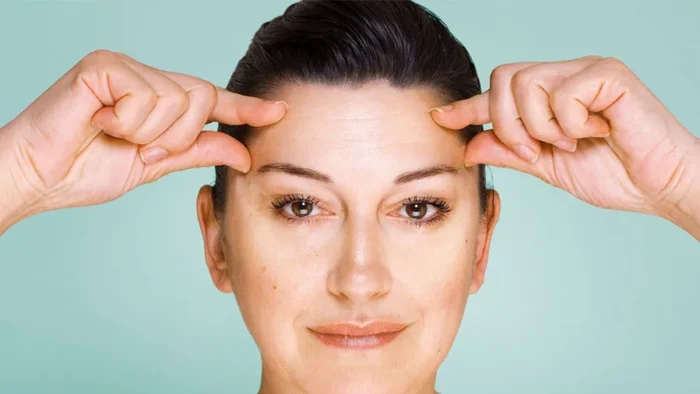
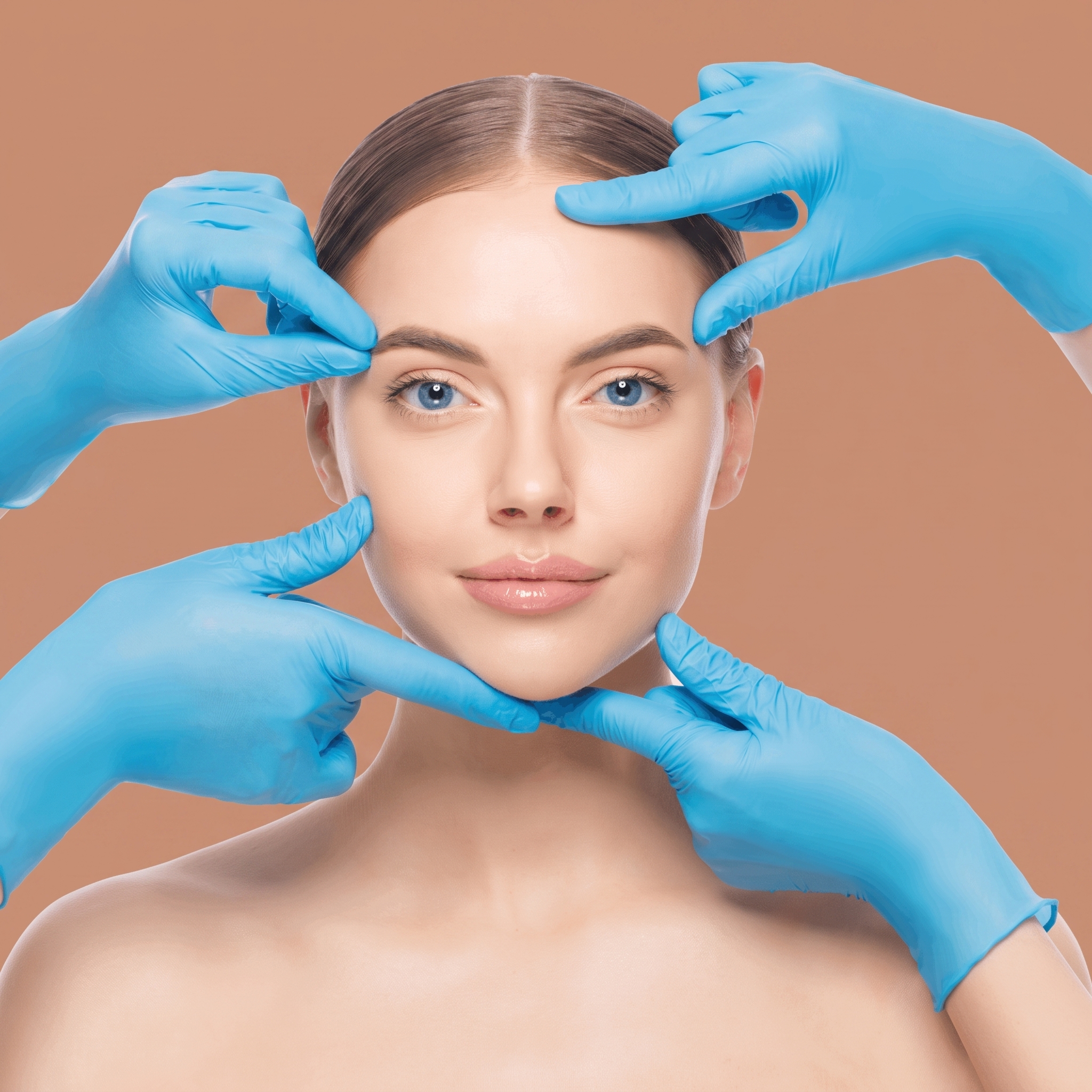
Endoscopic forehead lift is a minimally invasive procedure performed to eliminate deep horizontal lines on the forehead and the vertical ‘11’ lines between the eyebrows, and to rejuvenate the upper face by lifting sagging eyebrows. As an endoscope (micro-camera) is used during the procedure, the tissues can be clearly visualised and securely fixed in place without the need for large incisions.
In Which Cases Is Endoscopic Forehead Lift Preferred?
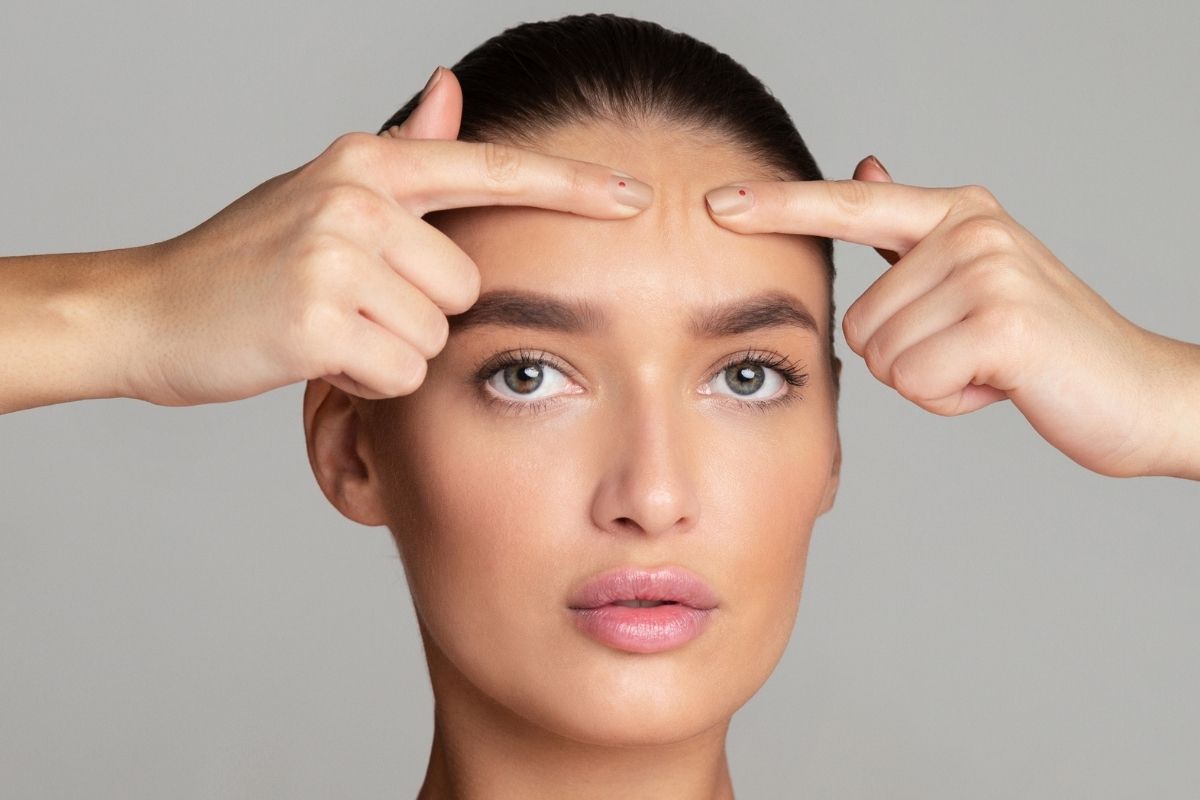
- Deep Lines on the Forehead: Pronounced horizontal wrinkles in this area that have become permanent as a result of facial expressions.
- Furrowed and Angry Expression: Situations where the muscle activity causing vertical lines between the eyebrows (the glabella region) needs to be relaxed.
- Low and Sagging Eyebrows: A condition where the eyebrows droop over the eyelid, obscuring the eye or giving a tired appearance.
- Upper Eyelid Bulges: When the main cause of excess tissue in the upper eyelid is not sagging skin, but tissue that has slipped down from the forehead.
- Request for Scarless Upper Face Rejuvenation: Patients who do not wish to have a visible surgical scar on their forehead.
What Techniques Are Available?
Endoscopic Technique (Gold Standard):
The procedure is carried out via 3–4 millimetre-long incisions made within the scalp. As the incisions are hidden within the hair, no scars are visible from the outside.
Coronal (Classic) Forehead Lift:
This is the traditional method, involving a large incision made from one side of the head to the other, behind the hairline. Nowadays, it is rarely chosen due to the risk of significant tissue loss and a wide scar.
Pretrichial (Forehead) Facelift:
In patients with a very wide forehead, this is a technique performed at the hairline to bring the hairline forward and narrow the forehead.
How is the operation performed?
The operation is carried out under general anaesthesia or sedation and lasts an average of 1.5–2.5 hours.
- Mikro Girişler: Saçlı deri içerisine 1–1.5 cm uzunluğunda 3 ila 5 adet küçük kesi yapılır.
- Endoscopic Release: With the aid of a micro-camera, the forehead tissue and the ligaments attaching the eyebrow are carefully released from the bone surface. The muscles causing the frown lines are relaxed.
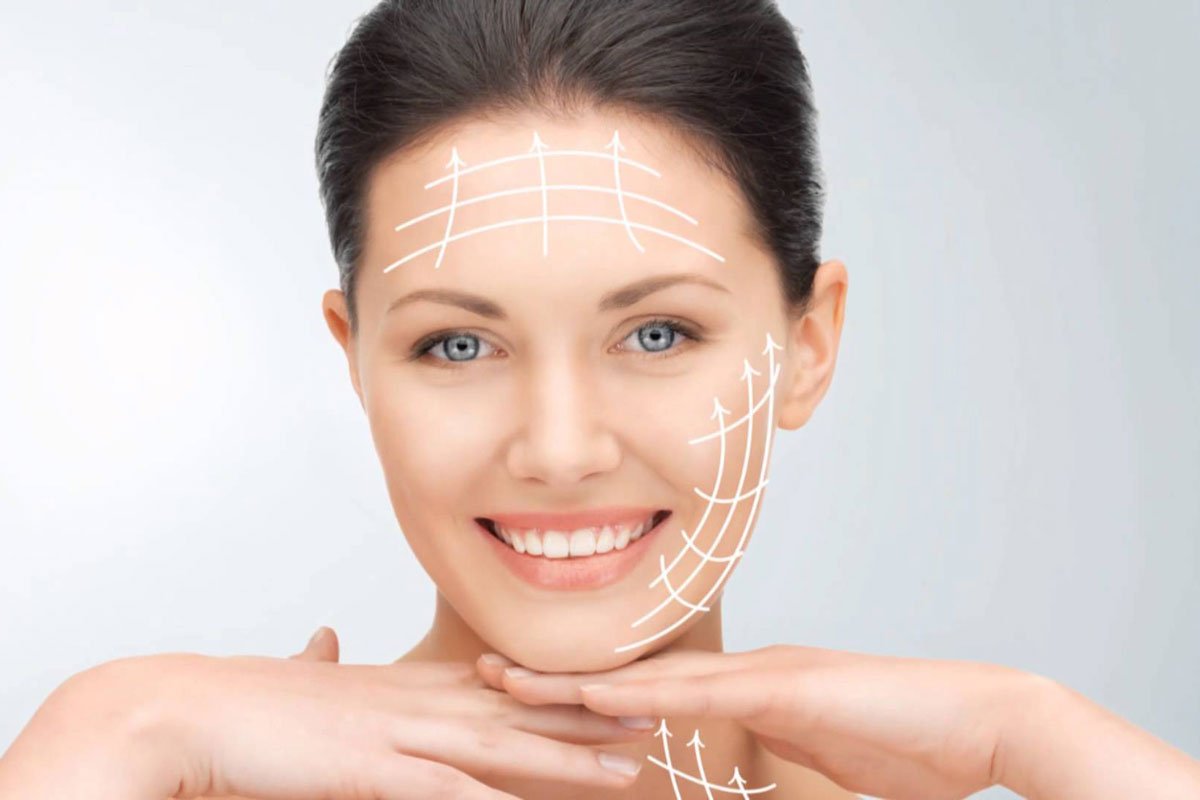
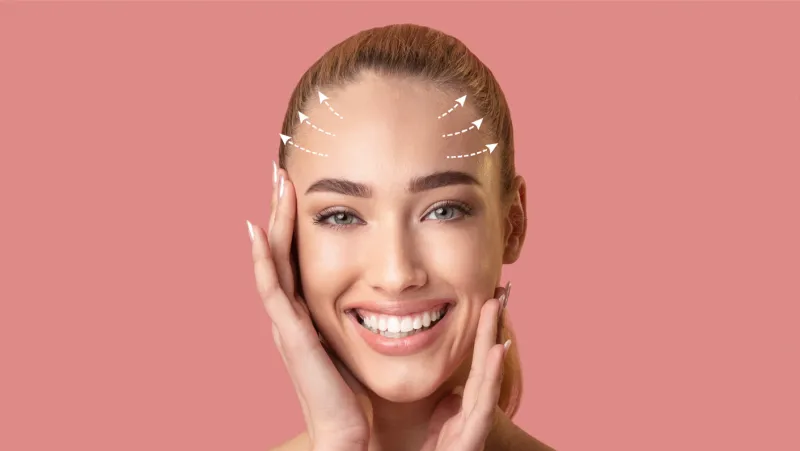
- Upper Lift and Fixation: The loosened forehead and brow tissue is lifted vertically and tautly, and fixed to the skull bone using temporary or permanent micro-fixators (Endotine or bone tunnels).
- Closure: The incision sites are closed using aesthetic sutures or surgical staples.
How Long Do the Results Last?
Fixation procedures carried out using endoscopic techniques are highly durable, as they enable the tissues to re-fuse with the periosteum. The rejuvenating effect of the operation is maintained for between 7 and 10 years, depending on the individual’s rate of ageing.
Where Do the Traces Remain, and How Visible Are They?
- Completely Hidden Scars: As all the incisions remain within the scalp, no surgical scars are visible from the outside, even when the hair is tied back.
- Risk of Hair Loss: Thanks to micro-incision surgical suturing techniques, hair follicles are not damaged, and there is no hair loss in the sutured area.
- You should not wear glasses for at least 2–3 months, and you must ensure you use sun cream regularly.

Frequently Asked Questions
How long does the recovery process take?
There may be slight swelling on the forehead and bruising around the eyes following the operation. Keeping the head elevated for the first few days helps to reduce the swelling. The stitches or staples are removed on days 7–10, after which the patient can resume their normal social life.
Will there be any numbness left in the forehead?
As tissue is released during the procedure, it is normal to experience temporary numbness or a tingling sensation on the forehead and scalp. This will resolve completely within 2–3 months.
Can it be performed in conjunction with upper eyelid surgery (blepharoplasty)?
Yes. Drooping eyebrows and sagging upper eyelids often occur together. Combining the two procedures results in excellent rejuvenation around the eyes and forehead.
How many days should I set aside for surgery in Istanbul?
For patients travelling from outside the city or from abroad, a six- to seven-day stay in Istanbul—including pre-operative consultations, the operation and a follow-up appointment to check the stitches—is sufficient.
Patient Experiences
Hear about the surgical experiences of our patients in their own words.