


Otoplasty
Otoplasty
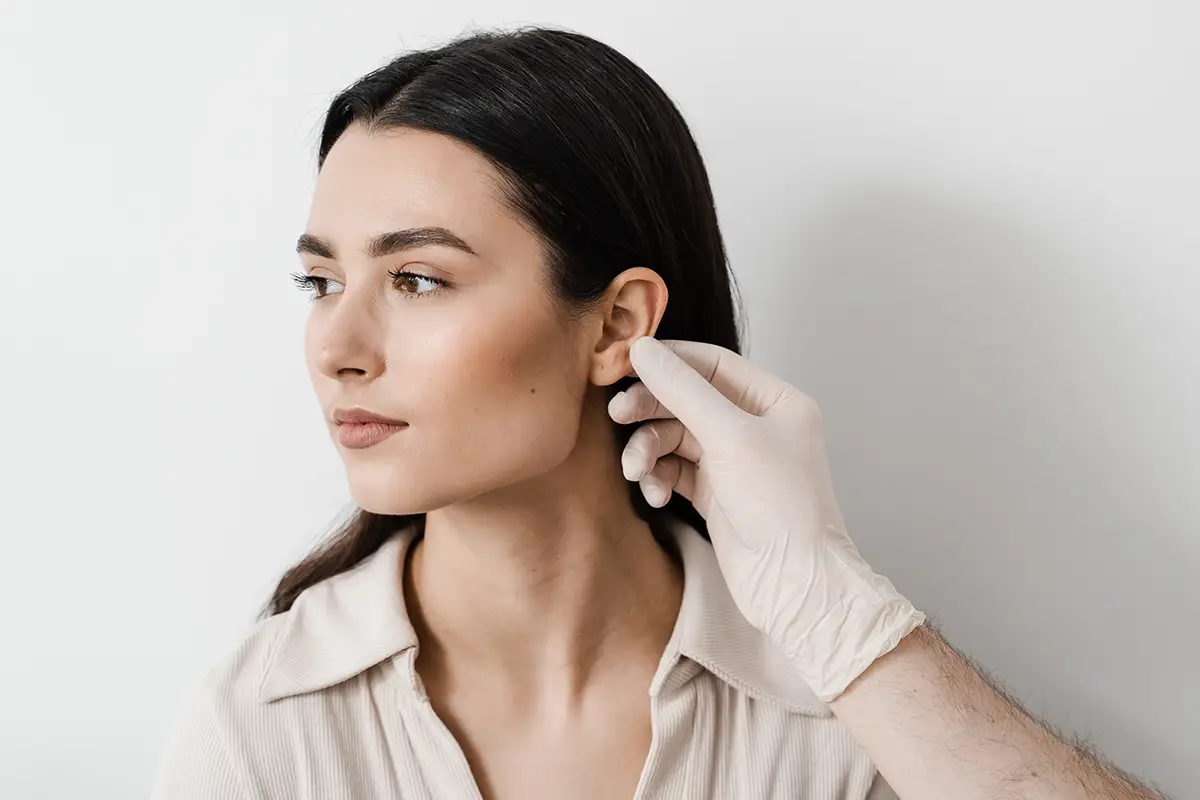
Otoplasty aims to correct the appearance of prominent ears or aesthetic imbalances due to ear shape. Planning is done according to ear structure, facial proportions and the person's expectations; The goal is not a change that attracts attention or looks artificial, but an ear form that is compatible with the face and looks natural.
Contents
- What Is Prominent Ear Correction (Otoplasty)?
- In Which Situations Is Otoplasty Preferred?
- At What Age Is It Performed, and for Whom Is It Suitable?
- Which techniques are used?
- How Is Surgery Performed?
- How Permanent Are the Results?
- Where Do Traces Remain, and How Visible Are They?
- Undergoing Otoplasty in Istanbul
- Frequently Asked Questions
Anesthesia Type:
General
Surgery Duration:
1 Hour
Hospital Stay:
1 Day
Stay in Istanbul:
4 Days
Return to Life:
5 Days

What Is Prominent Ear Correction (Otoplasty)?
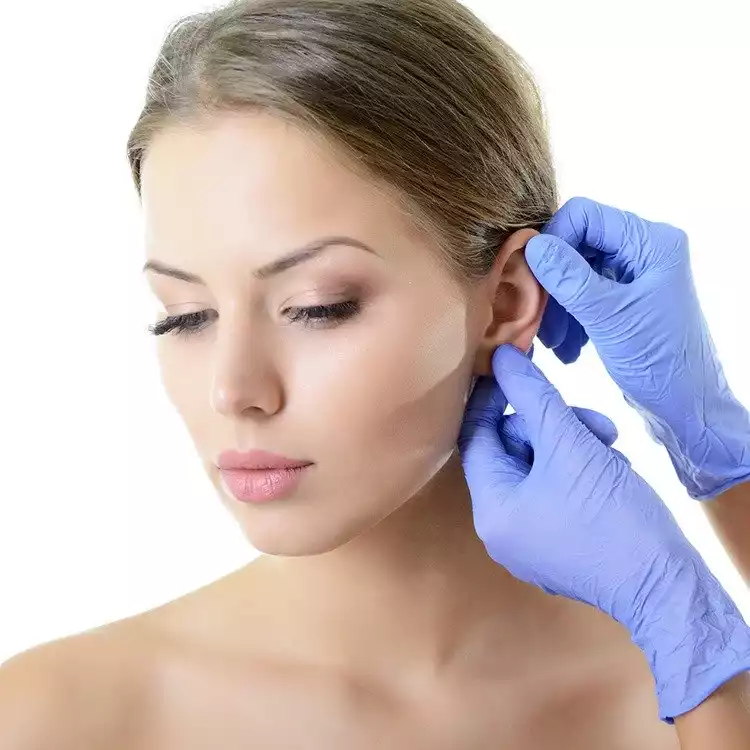
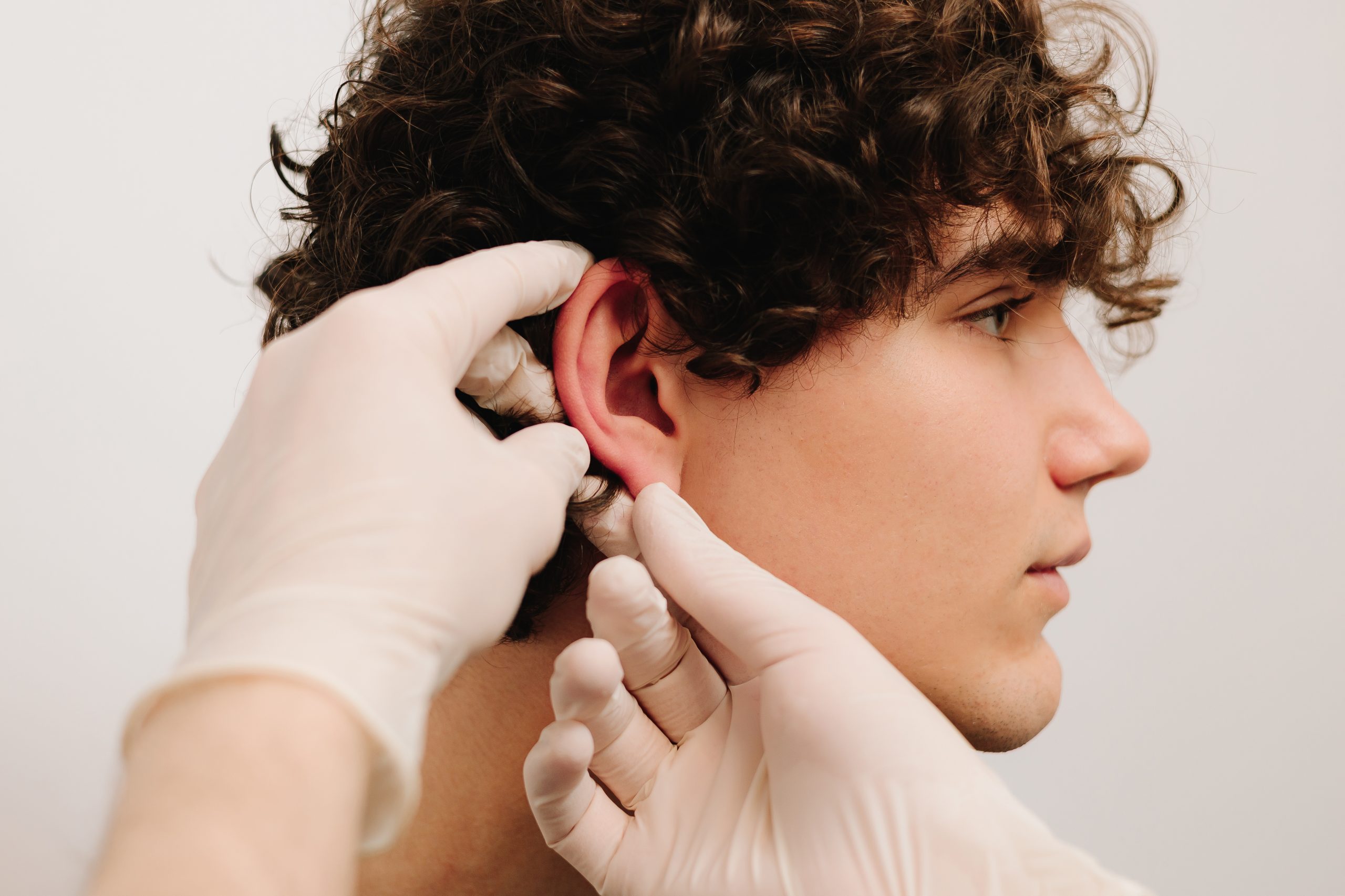
Otoplasty is the process of reconstructing the size, angle of posture and cartilage folds of the auricle. During the operation, cartilage tissue is accessed through a hidden incision made behind the ear; Excess cartilage tissue is removed or permanent shaping stitches are placed on the cartilage, allowing the cartilage to lie backwards. It has no effect on hearing functions.
In Which Situations Is Otoplasty Preferred?
- Prominent Protruding Ear Appearance: The angle of the ears with the skull is greater than normal (20-30 degrees) and the ears look forward when viewed from the front.
- Flat Ear Folds (Antihelix Insufficiency): The natural "Y" shaped fold at the top of the ear does not develop and the auricle appears flat.
- Ear Asymmetry: A significant difference in size, angle or shape between the two ears.
- Large or Shapeless Earlobe: The earlobe is droopy, long or asymmetrical.
- Psychological and Social Self-Confidence Need: Individuals who are hesitant about wearing hair or wearing short hair due to their ear structure.
At What Age Is It Performed, and for Whom Is It Suitable?
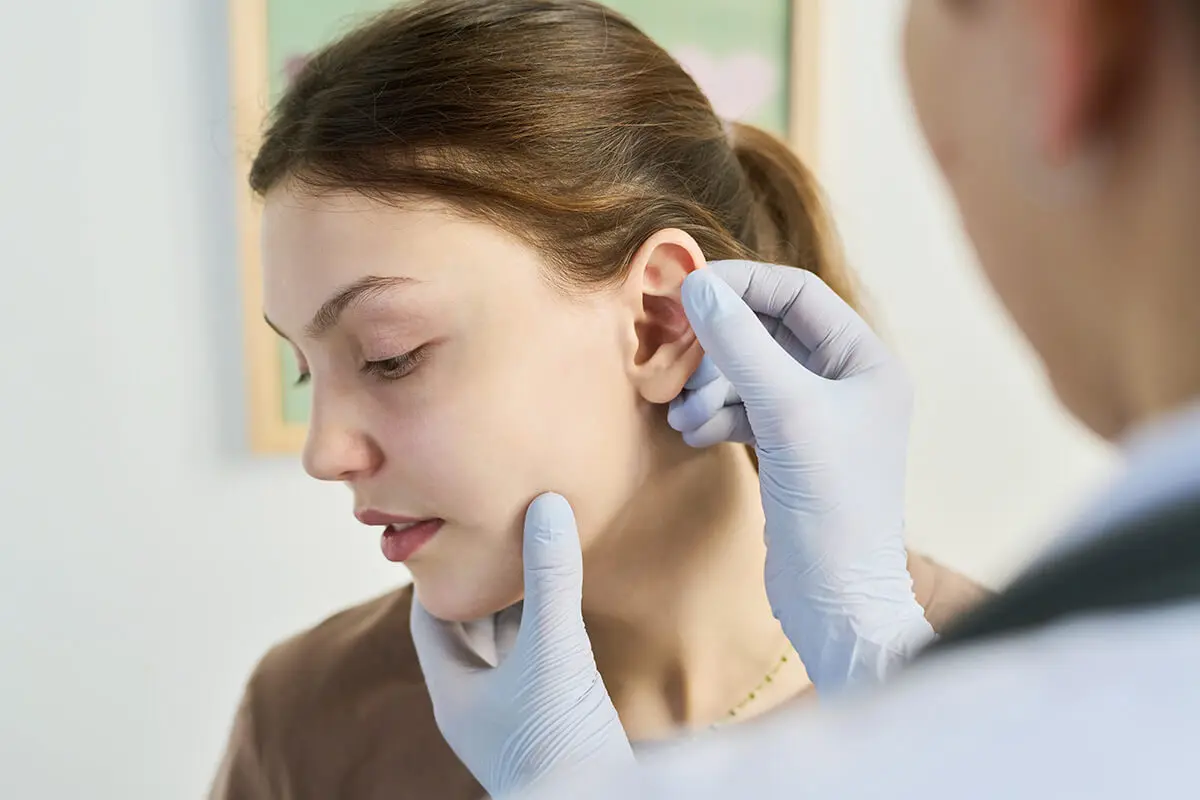
Child Candidates (Ages 5-6 and Above): Ear cartilage development is completed by 85-90% around the age of 5-6. It is frequently preferred for children to do it just before they start primary school in order to prevent possible peer bullying and psychological negativities.
Adult Candidates: All individuals over the age of 18 who are not aesthetically satisfied with their ear structure and whose general health condition is suitable for surgery.
Which techniques are used?
Cartilage Rasping and Shaping (Traditional Surgery):
Through an incision made behind the ear, the cartilage is stretched, filed or tilted backwards with permanent shaping stitches (Mustardé / Furnas techniques).
Suture-Based Otoplasty (Incisionless / Incision-Free Surgery):
In appropriate cases, the ear cartilage is brought closer to the back without making an incision, only with special suturing techniques. The healing process is very fast, but it is not suitable for every ear anatomy.
Cartilage Removal (Conchal Resection):
If the hollow cartilage (turbinate) in the middle part of the ear is very deep or large, excess cartilage tissue is removed millimetrically.
How Is Surgery Performed?
The operation is performed under general anesthesia in children, and often under local anesthesia or sedation in adults. The procedure takes approximately 1 – 1.5 hours.
- Drawing and Anesthesia: The fold line behind the ear is marked and local anesthesia is applied.
- Incision and Access: A vertical incision is made within the natural crease on the back surface of the ear.
- Cartilage Shaping: The cartilage tissue is weakened/filed and the ear is folded back and brought closer to the head with special stitches.
- Closure and Bandage: The incision is closed with aesthetic stitches and a medical headband is worn to protect the ear.
How Permanent Are the Results?
The results provided by surgical otoplasty surgery are permanent for a lifetime. The shaped cartilage tissue maintains its new form after healing is completed and it is not possible for the ears to return to their previous state.
Where Do Traces Remain, and How Visible Are They?
- Completely Hidden Scar: The incision line is placed completely in the back fold of the ear (ear groove).
- Invisibility: It is not possible to see the surgical scar when viewed from the front, side or behind. Over time, the line fades completely.


Getting Otoplasty in Istanbul
Istanbul is one of the centers that stands out with its high patient satisfaction and expert staff in child and adult ear aesthetic operations.
Same Day Discharge: The procedure is a day procedure. A few hours after the surgery, patients can move to their accommodation.
Combined Aesthetic Options: In adult patients, otoplasty can often be combined with Rhinoplasty or Facial Fat Injection.
International Patient Services: Hotel accommodation, airport transfer and medical band/corset supply are offered as a package for patients coming from out of town or abroad.
Frequently Asked Questions
How long does the recovery process take and when can I return to social life?
A slight ache or feeling of pressure is normal for the first 2-3 days after surgery. Stitches are usually dissolvable or removed on the 7th day. The patient can return to daily work or school within 3-4 days.
How long should a headband (tennis headband) be worn?
In order for the ears to maintain their new shape and for the edema to dissipate, it is recommended to wear a protective headband day and night for the first week and only at night for the following 2-3 weeks.
Is there a risk of the ear opening or returning to its previous state after otoplasty?
In expert hands where the cartilage is stretched with the correct technique and fixed with stitches, the risk of opening is extremely low (around 1-2%). A possible loosening can be corrected with a small revision.
Patient Experiences
Hear the surgery experiences of our guests who choose us in their own words.